
 By
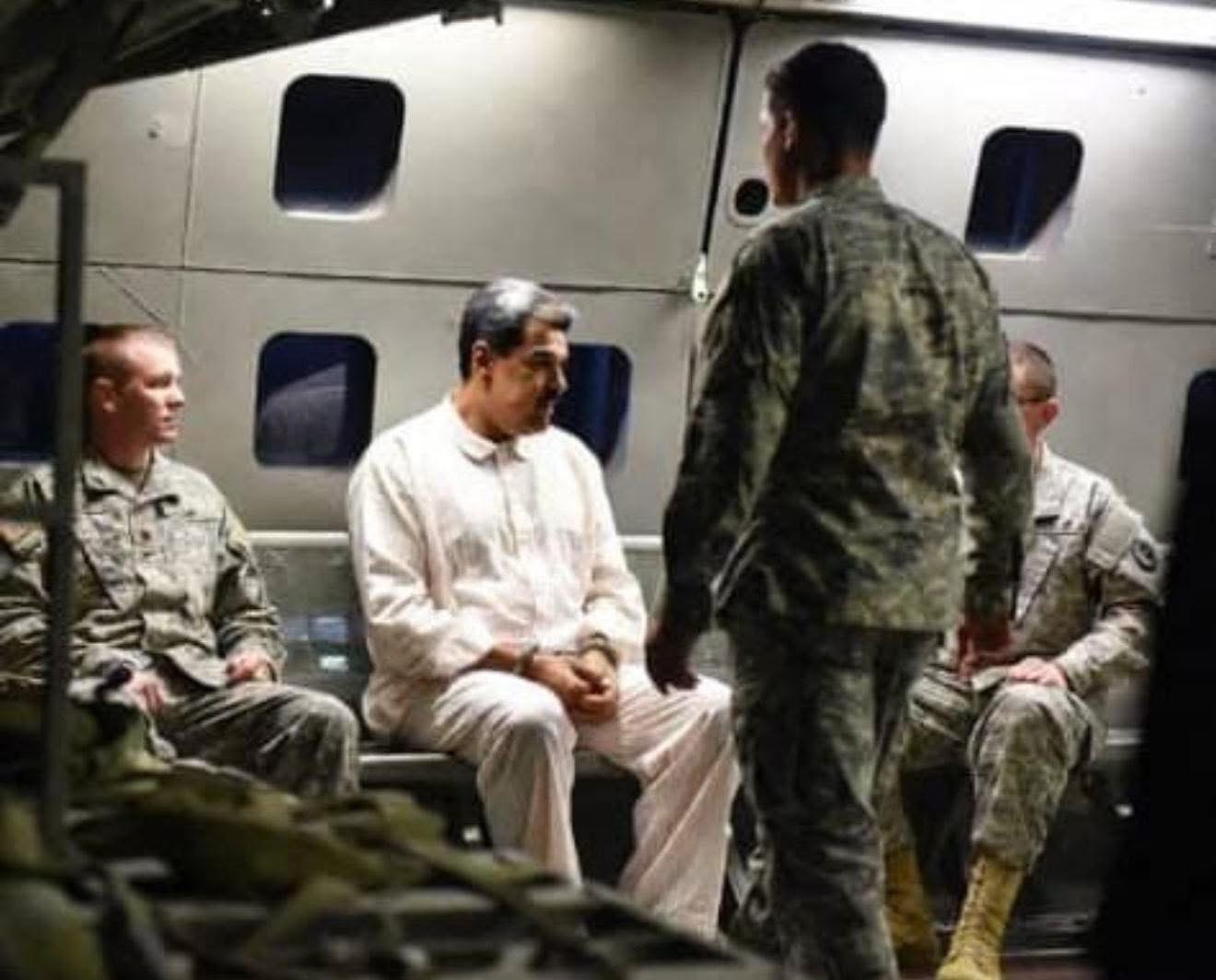
ByIn a dramatic escalation that has reshaped relations in the Western Hemisphere, U.S. Delta Force operatives arrested Venezuelan President Nicolás Maduro during a tightly coordinated overnight military operation, according to official statements from Washington.
The operation, conducted in the early hours before dawn, combined precision air strikes and elite ground action, marking one of the rare instances in modern history in which U.S. special operations forces detained a sitting head of state.
⸻
A Targeted Mission, Not a Conventional Invasion
U.S. officials described the mission as narrow in scope but strategically decisive, designed to seize Venezuela’s top leadership rather than occupy territory. Delta Force—formally known as the 1st Special Forces Operational Detachment-Delta—was tasked with the capture phase of the operation.
According to the U.S. account, the president was detained at a secured location in or near the capital, Caracas, following a short period of intense military activity intended to neutralize nearby defenses and communications.
American authorities say the arrest was completed swiftly, with Maduro taken into U.S. custody and removed from Venezuelan territory within hours.
⸻
How the Operation Unfolded
Based on official briefings provided by U.S. leaders, the mission followed several key stages:
1. Pre-dawn air operations targeted select military and security sites to limit resistance.
2. Delta Force units entered the objective area, supported by intelligence and aerial surveillance.
3. President Maduro and his wife were detained without prolonged fighting, according to U.S. claims.
4. Extraction was completed immediately, with the detainees flown out of the country.
U.S. officials emphasized that the operation was designed to minimize civilian harm, though Venezuelan authorities have disputed those claims.
⸻
Why the U.S. Says It Acted
Washington has long accused Maduro of corruption, authoritarian rule, and involvement in international drug trafficking networks. U.S. leaders say the arrest represents a turning point after years of sanctions, diplomatic pressure, and failed negotiations.
President Donald Trump stated that the operation was necessary to enforce U.S. indictments and to prevent what he described as continued criminal activity linked to the Venezuelan state.
The U.S. government has indicated that Maduro will face criminal prosecution under U.S. law, though legal experts note that the move raises unprecedented questions under international law.
⸻
Venezuela Reacts with Outrage
Venezuelan officials immediately rejected the U.S. account, calling the arrest an illegal act of aggression and a violation of national sovereignty. Senior figures in Caracas accused Washington of launching a de facto regime-change operation and warned of long-term consequences for regional stability.
State media in Venezuela reported confusion and fear in parts of the capital as explosions and aircraft activity were heard overnight.
⸻
Global Shockwaves
The arrest of a sitting president by U.S. special forces has triggered intense international reaction. Several governments condemned the operation, while others urged restraint and called for emergency diplomatic talks.
Analysts say the use of Delta Force underscores how far the confrontation has escalated—from economic pressure and covert maneuvering to direct kinetic action against a head of state.
⸻
What Comes Next
With Venezuela’s president now in U.S. custody, the country faces a sudden leadership vacuum. Washington has signaled support for a transitional process, though it remains unclear who will govern Venezuela in the immediate term or how its military and institutions will respond.
For the United States, the operation marks a defining moment—one that could deter adversaries or provoke backlash across Latin America and beyond.
⸻
ReynardNews Analysis
The Delta Force arrest of Venezuela’s president represents a rare and consequential use of U.S. special operations power. Whether it brings stability or ignites deeper regional tension may depend on what follows in the days ahead—diplomatically, legally, and on the streets of Caracas.



Leave a Reply